
The steady drip from a faucet may seem small, yet it often signals a plumbing component in need of attention. A little knowledge can go a long way toward protecting water efficiency, extending fixture life, and keeping your plumbing system operating. Quick Action Plumbers helps property owners resolve a dripping faucet in Mableton, Cobb County, and Metro Atlanta, GA, using proven repair methods. We explain the most common reasons a faucet starts dripping, how different parts of a faucet affect performance, and what steps can restore proper function. Our goal is to give practical information so you can make confident decisions about your plumbing system and choose a solution that fits your needs.
Why You Shouldn’t Ignore a Dripping Faucet
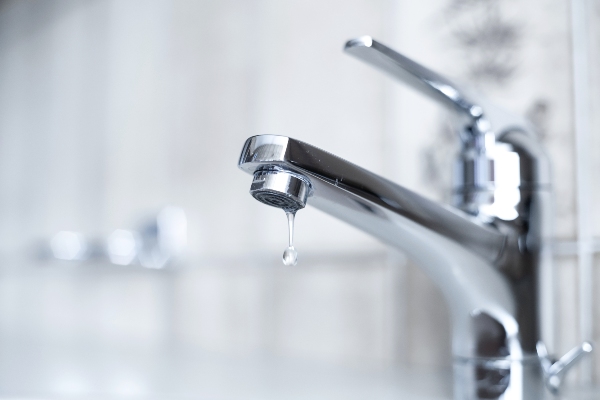
A small leak can have a bigger impact on your plumbing system over time. When you notice a faucet dripping, it often means a worn component, a loose connection, or an aging part needs attention. Prompt repairs can help improve water efficiency and support reliable fixture performance. Taking quick action helps you save water while ensuring your plumbing system’s health. Professional inspections and tailored repair options can protect your home.
Common Causes of a Dripping Faucet
Signs of a faucet leaking often start with a slow, steady drip that can affect plumbing efficiency over time. Identifying the source of the problem helps determine the most effective repair. Many fixture components experience normal wear over time, while water quality and daily use can also affect how well a fixture operates. Below are some of the most common causes of a dripping faucet:
- Worn Washers or Seals: Washers and seals help create a tight connection that controls water flow. Years of regular use can cause these parts to wear down, allowing water to pass through and create a steady drip.
- Damaged O-Rings: O-rings are small components that help prevent water from escaping around faucet handles and moving parts. When an O-ring becomes loose or worn, it can allow moisture to escape, affecting fixture performance.
- Mineral Buildup: Hard water minerals can collect inside a faucet and restrict the movement of internal components. This buildup may prevent parts from sealing properly and contribute to continuous dripping.
- Worn Valve Seats: The valve seat connects the faucet to the spout and affects the direction of water flow. Over time, normal use and mineral deposits can affect these components, leading to leakage.
- Loose or Aging Parts: Faucets contain several internal components that work together to control water. As fixtures age, certain parts may loosen or wear out, creating conditions that allow water to drip from the spout.
How to Identify Your Faucet Type
Finding the cause of a leak often starts with identifying the type of faucet installed in your home or business. Different faucet designs use different internal components, which means repair methods can vary. Most fixtures fall into four categories: compression, ball, cartridge, and ceramic disc faucets. The number of handles, the way the handle moves, and the overall design can provide helpful clues. Knowing your faucet type makes it easier to pinpoint worn parts, understand repair options, and determine the best solution to restore reliable performance and water efficiency.
How to Fix a Dripping Faucet
Fixing a dripping faucet starts with identifying the source of the issue and the type of fixture involved. Different faucet designs use different internal parts so that the right repair can vary from one model to another. A careful inspection helps determine which components need attention and supports a long-lasting solution. The following steps outline common ways plumbers address faucet leaks:
- Turn Off the Water Supply: Shut off the water supply before beginning any repair work. This step helps protect the area and allows for a safer inspection of the faucet’s internal components.
- Inspect Worn Internal Parts: Examine washers, O-rings, seals, and cartridges for signs of wear. Replacing damaged components can help restore a proper seal and improve fixture performance.
- Clean Mineral Deposits: Mineral buildup can interfere with how faucet parts function. Cleaning affected areas may help components move properly and create a better seal.
- Tighten Loose Connections: Check accessible fasteners and connections within the faucet assembly. Secure components support smooth operation and can help eliminate unwanted dripping.
- Schedule Professional Service: A licensed plumber can diagnose the cause of the leak and recommend the most effective repair. Professional service helps ensure the work is completed correctly and supports long-term reliability.
When a Dripping Faucet Requires Professional Repair
Some faucet issues call for more than a basic parts replacement. Professional repair is a smart choice when a faucet continues to drop after basic maintenance, shows signs of multiple worn components, or has internal parts that require specialized tools to access. A licensed plumber can accurately diagnose the source of the problem and recommend the best solution for long-term performance.
How to Prevent Future Faucet Leaks
Preventing a faucet leaking issue starts with paying attention to your system before small concerns become larger issues. Routine inspections can help identify worn seals or aging components that may affect performance. Keeping faucets free from mineral buildup also supports smooth operation and proper water flow. Professional maintenance provides an opportunity to address normal wear and extend the life of your fixtures.
Stop Your Faucet From Leaking Today
A dripping faucet can affect water efficiency and the overall health of your plumbing system. Quick action Plumbers provide trusted plumbing services throughout Mableton, Cobb County, and Metro Atlanta, delivering practical solutions that fit customers’ needs and budgets. Our certified plumbers take the time to diagnose the problem and explain your options. Reach out to our team today and let us help restore reliable performance to your plumbing system.