Healthy plumbing systems start with drains that move water efficiently throughout the property. Everyday activities can affect drain performance over time, making it helpful to understand what contributes to recurring plumbing concerns. Quick Action Plumbing helps homeowners solve drain problems in Mableton, Cobb County, and Metro Atlanta, GA with skilled service and trusted expertise. We explain why drains clog, highlight common household factors that impact flow, and share practical information about keeping plumbing systems operating at their best. Readers will gain valuable insight into the causes of recurring drain blockages and the importance of timely professional care.
Common Signs of a Clogged Drain
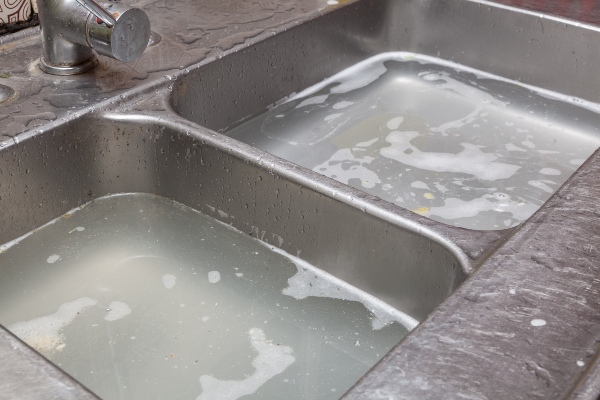
A clogged drain often gives clear warning signs before drainage slows. Paying attention to these changes can help protect plumbing performance and support your system’s health. Early identification makes it easier to address buildup and keep water flowing throughout your home. Here are a few common signs to be on the lookout for:
- Water Drains More Slowly Than Usual: Sinks, tubs, or showers may take longer to empty after regular use. This often indicates a developing blockage inside the pipe.
- Water Collects Around a Drain Opening: Small amounts of standing water can appear after using a fixture. Consistent pooling suggests restricted flow within the drainage system.
- Gurgling Sounds Come From Drains: Unusual noises may occur when water moves through the pipes. These sounds can signal that air flow is being affected by a blockage.
- Multiple Fixtures Drain Slowly At the Same Time: A sink, shower, and toilet may show similar drainage changes. This can indicate a larger issue in the home’s drain system.
- Recurring Backups Occur in Frequently Used Fixtures: Water may return to a sink, tub, or floor drain after use. Professional inspection can help identify the source and restore proper performance.
What Causes Most Drain Clogs?
Many drainage concerns develop slowly as materials pass through plumbing systems each day. Understanding the most common causes of slow drainage can help homeowners protect pipe performance and maintain reliable water flow. Recognizing where the buildup starts often makes it easier to address problems before they affect comfort and convenience:
- Grease and Cooking Oils Build Up Inside Pipes: These materials can cling to pipe walls and reduce the available space for water flow. Over time, the buildup can capture additional debris, creating a larger blockage.
- Hair Collects in Bathroom Drains: Strands can gather together and form dense clumps within drain lines. Soap residue often adheres to hair, increasing restriction.
- Soap Residue Accumulates Over Time: Minerals in water can combine with soap and leave deposits inside pipes. These deposits may block the passage.
- Food Particles Enter Kitchen Drains: Small scraps can settle in plumbing lines and collect around existing residue. Regular accumulation can affect drainage speed throughout the sink system.
Why Some Homes Experience Frequent Drain Problems
Some homes experience frequent drainage concerns because several factors can affect how water moves through their plumbing system. Older pipes may collect buildup more easily, while increased household usage can place greater demand on drain lines. Tree root growth near underground piping can also impact long-term performance. Frequent drain problems may develop when small restrictions remain within the system and continue to collect debris over time. Regular inspections, professional drain cleaning, and timely maintenance help support reliable drainage and keep plumbing systems working throughout the home.
How to Prevent Drain Clogs
A few simple habits can go a long way toward keeping drains clear and plumbing systems operating. Kitchen sinks, bathroom drains, and other plumbing fixtures benefit from regular care and proper use throughout the year. Grease, food scraps, hair, and other materials should stay out of drain lines whenever possible. Drain screens can help catch debris before it enters the pipes. Routine professional drain cleaning also helps remove buildup that develops over time. Consistent maintenance supports smooth water flow, extends the life of plumbing components, and helps homeowners avoid unnecessary service calls.
When DIY Cleaning Methods Work (And When They Don’t)
Many homeowners try simple cleaning methods before scheduling professional service. Some approaches can improve drainage when the buildup is minor and close to the drain opening. Certain drain issues in your house require more advanced equipment and expertise. Knowing the difference can help protect your plumbing system and support long-term performance. Below, we go over DIY cleaning methods, work, and when they don’t:
- DIY Cleaning Often Works for Minor Buildup: A drain screen, careful cleaning, or hot water flushing may help clear small accumulations near the surface. These methods can improve water flow when the restriction is limited.
- DIY Cleaning May Help With Slow-Moving Drains: Early intervention can remove debris before it settles deeper in the pipe. Consistent maintenance supports better drain performance throughout the home.
- Professional Service Is the Better Choice for Recurring Clogs: A blockage that returns frequently may exist further inside the drainage system. Specialized equipment can identify and address the source more effectively.
- Professional Solutions Work Best for Larger Plumbing Concerns: Multiple affected fixtures can indicate a system-wide drainage issue. Experienced plumbers can inspect the pipes to recommend the most appropriate option for the property.
When to Call a Professional Drain Cleaning Service
Professional drain cleaning can help when drainage problems become more frequent or affect multiple areas of the home. Slow-moving water, recurring clogs, and drains that require repeated attention often point to buildup deeper within the system. A trained plumber can inspect the pipes and identify the cause of the issue. Professional service helps restore proper flow, supports long-term plumbing performance, and keeps your home’s drainage system operating smoothly and efficiently.
Avoid Drain Issues in Your House Today
Keeping your drains clean and flowing helps protect the comfort and efficiency of your home. Recurring drain problems often start with small restrictions that grow over time, making routine maintenance a valuable investment. Quick Action Plumbers delivers trusted solutions backed by experienced, highly trained professionals who put people first. Reach out to our team today to schedule an inspection or drain cleaning service and enjoy dependable plumbing performance with confidence.