
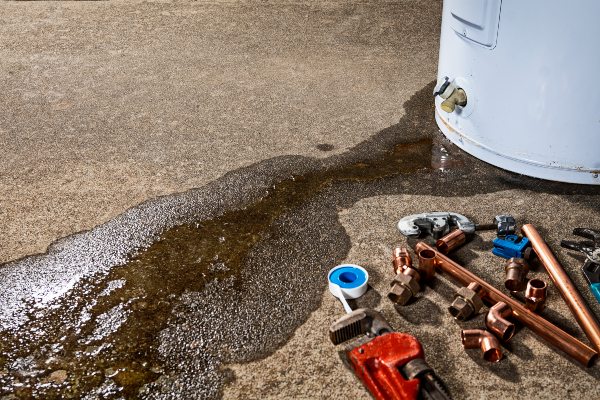
Is your basement starting to resemble a swimming pool? Or you may have noticed a strange puddle forming around the base of your hot water tank. A water heater leak is more than just a nuisance. It can lead to significant property damage if left unchecked. Water heaters are the unsung heroes of modern comfort, providing the hot showers and clean dishes we often take for granted. But like any appliance constantly under pressure and dealing with fluctuating temperatures, they have a lifespan. When they start to fail, they often do so by springing leaks. Understanding why your water heater is dripping and knowing where to look can save you from a cold shower and a hefty repair bill. In this guide, our team at Quick Action Plumbers will walk you through the common reasons for water heater leaking, the signs you shouldn’t ignore, and how you can prevent small drips from turning into major disasters.
Why Is My Hot Water Heater Leaking?
Finding water pooling around your unit can be stressful, but understanding the source is the first step toward fixing it. There are several reasons your water heater might be leaking from the bottom or the top. Age plays a huge factor, as most standard tank water heaters last between 8 and 12 years. If yours is pushing past a decade, corrosion inside the tank is a likely culprit. However, age isn’t the only enemy. High water pressure can damage the tank’s integrity, leading to cracks and leaks. Similarly, if the temperature is set too high, excessive heat can cause the tank to expand and contract beyond its design limits, eventually weakening the structure. Here are the most common culprits behind a leaking unit:
- Loose Connections: Sometimes, the fix is as simple as tightening a loose inlet or outlet pipe. Repeated vibrations can loosen these fittings.
- Corrosion: Inside the tank, there are sacrificial anode rods designed to attract rust. Once these are depleted, the tank itself starts to rust. If the tank is rusting through, it unfortunately needs to be replaced.
- The Drain Valve: Located at the bottom of the tank, this valve drains sediment. If it’s loose or defective, you’ll see water leaking from the bottom of the water heater.
- Temperature & Pressure Relief (T&P) Valve: This safety feature releases water if the pressure or temperature exceeds safe limits. If you see water dripping here, it might be doing its job (meaning pressure is too high), or the valve itself might be faulty.
Know the Signs of a Leak
You don’t always need to see a puddle to know there’s a problem. Sometimes, the signs are subtle. Being vigilant can help you catch issues early, especially here in Cobb County, where fluctuating seasonal temperatures can put extra stress on plumbing systems. Obviously, visible water is the biggest red flag. If you see your water heater leaking from the top, it’s often a pipe fitting issue. If it’s leaking from the bottom, it could be the tank itself or the drain valve. But beyond the obvious, pay attention to the unit’s performance. Watch out for these warning signs:
- Moisture or Mold: Even if you don’t see active dripping, check for moisture on the floor or mold growth on the walls near the heater.
- Lack of Hot Water: If your showers are running cold sooner than usual, the heating element might be damaged by water, or the tank might be losing water faster than it can heat it.
- Rust-Colored Water: If hot water from your tap appears rusty, it indicates corrosion inside the tank, which often precedes a leak.
- Noises: A “popping” or “rumbling” sound usually means sediment buildup. While not a leak itself, this buildup overheats the tank bottom, leading to cracks and leaks.
Preventative Measures to Protect Your Home
The best way to handle a leak is to stop it before it starts. Routine maintenance is crucial for extending the life of your water heater. While some homeowners in Metro Atlanta feel comfortable doing basic checks, bringing in a professional for an annual inspection is the safest bet to ensure everything is running efficiently. Simple habits can make a big difference. For instance, testing your T&P valve once a year ensures it’s not stuck. You simply lift the lever and let it snap back; a burst of water should release into the drain tube. If it doesn’t, the valve needs to be replaced. Here are key ways to prevent leakages:
- Flush the Tank: Sediment builds up at the bottom of the tank, causing corrosion and inefficiency. Flushing the tank once a year helps remove this sediment.
- Check the Anode Rod: Inspect this rod every few years. Replacing a depleted anode rod is cheap and can double the life of your water heater.
- Install an Expansion Tank: If you have a closed plumbing system, thermal expansion can cause pressure buildup. An expansion tank gives that extra water a place to go, relieving stress on your heater.
- Lower the Temperature: Keep your thermostat at 120 degrees Fahrenheit. Higher temperatures increase the risk of scalding and accelerate tank wear and tear.
When to Call the Professionals
While tightening a valve is a DIY job, dealing with a corroded tank or high-pressure issues often requires professional expertise. Ignoring a small leak can lead to catastrophic tank failure, flooding your home, and causing thousands of dollars in damage. At Quick Action Plumbers, we have seen firsthand the damage a burst water heater can cause in Mableton and the wider Metro Atlanta area. Whether you are dealing with a mysterious drip or a puddle that appeared overnight, diagnosing the root cause accurately is essential for a lasting repair. If you suspect your unit is failing, don’t wait for the cold shower to tell you it’s over. A proactive approach protects your home and ensures your family’s comfort isn’t interrupted. Contact us today for questions!