
Water Meter Guide: How to Find It and Use It to Detect Leaks
A dripping faucet keeps you awake at night. A running toilet spikes your bill. But what about the leaks you can’t see? Silent leaks hidden behind walls, under floorboards, or buried in your yard can waste thousands of gallons of water and cause significant structural damage before you ever notice a puddle. Fortunately, your home comes equipped with a built-in detective that can help you catch these issues early: your water meter. While most homeowners only think about this device when the monthly bill arrives, it is actually one of the most effective tools for monitoring your home’s plumbing health. At Quick Action Plumbers, proactive maintenance is the key to protecting your Mableton or Metro Atlanta home. Understanding how to read your meter allows you to verify utility charges and, more importantly, stop leaks in their tracks. This guide walks you through finding where your water meter is, understanding what you’re looking at, and using it to perform a simple leak test.
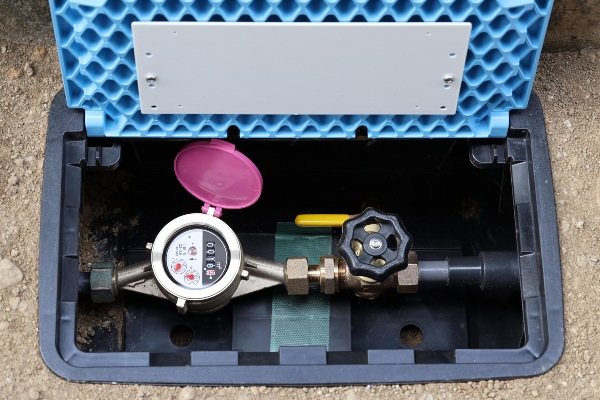
What Is a Water Meter?
A water meter is a device used by your local utility company—like the Cobb County Water System or the City of Atlanta Department of Watershed Management—to measure the volume of water used by a residential or commercial property. It is the cash register for your water usage. The utility company uses the data collected from this device to bill you for water and sewer services. However, it isn’t just for them. It acts as a real-time monitor of water flow entering your property. If all your faucets are off but the meter is still moving, water is escaping somewhere it shouldn’t. By checking it periodically, you gain insight into your daily consumption habits and can spot anomalies that signal trouble.
What Does a Water Meter Look Like?
If you have never peered inside a meter box, you might be unsure of what you are looking for. Most residential meters in the Metro Atlanta area are circular devices, roughly the size of a grapefruit or a small bowl, sitting inside a protective box. The face of the meter typically resembles a car’s odometer or a clock face. Here is what you will usually see on the display:
- The Sweep Hand: This is a large red or black needle that sweeps around the circle to measure water flow. It works similarly to the second hand on a clock.
- The Register: This is a row of numbers (like the odometer in your car) that displays the total volume of water, in gallons or cubic feet, that has passed through the meter.
- The Low-Flow Indicator: This is the most crucial part for leak detection. It is often a small triangle, star, or gear shape that spins when even a tiny amount of water is moving. If you have a slow drip, the large sweep hand might not move visibly, but this sensitive little indicator will rotate.
Some newer “smart” meters are digital. These have an LCD screen that requires light to activate (often by shining a flashlight on a sensor). These digital displays will often have a specific icon, such as a dripping faucet symbol, that illuminates if continuous flow is detected over 24 hours.
Where Is My Water Meter Located?
The question “Where is my water meter?” is one of the most common inquiries we receive. In warmer climates like Georgia, meters are almost always located outdoors.
- Look near the street: Start your search at the front curb of your property. In most Mableton and Cobb County neighborhoods, the meter is housed in a concrete or plastic box set into the ground near the street or sidewalk. It is usually in a direct line with your home’s main exterior water shut-off valve (often found on the front wall of the house).
- Check the box lid: The box will have a heavy metal or sturdy plastic lid. It may be labeled “WATER” or display the local water authority’s logo. Be careful when lifting this lid, as it creates a cool, damp environment, and insects, spiders, and occasionally snakes like to hide inside. We recommend using a screwdriver or a dedicated meter key to pry it open, rather than your fingers.
- Condos and Townhomes: If you live in a townhome or apartment complex in Metro Atlanta, your meter might be grouped with others in a utility room or a designated utility closet on the exterior of the building.
If you see water inside the water meter box, don’t panic immediately. It rains frequently in Georgia, and these boxes are not watertight. Groundwater or rainwater runoff can easily fill the box. However, if it hasn’t rained in several days and the box is full of water, or if you see water actively moving or bubbling within the box, you may have a leak in the supply line itself.
How To Know If You Have a Leak
Once you have located the meter and identified the low-flow indicator, performing a leak check is straightforward. You don’t need any special tools—just a little patience. Follow these steps to conduct a DIY water leak test:
- Shut off all water: Go through your house and ensure every faucet is turned off. Don’t forget the dishwasher, washing machine, and ice maker. Ensure no automatic irrigation systems are scheduled to run.
- Open the meter box: carefully lift the lid and clean off the meter face if it’s dirty.
- Check the flow indicator: Look at the small triangle, star, or gear. Is it moving? If all water is off inside the house, that dial should be perfectly still. If it is spinning, water is flowing.
- The “2-Hour” Test: If the indicator isn’t moving visibly, you might have a very slow leak (like a silent toilet flapper leak). Write down the numbers on the register. Wait two hours without using any water in the house. Return and recheck the numbers. If they have increased, you have an intermittent or slow leak.
- Isolate the source: To determine if the leak is inside the house or outside in the service line, locate your home’s main water shut-off valve (usually where the pipe enters the house or in the basement). Turn this valve off.
- If the meter stops spinning: The leak is inside the house. Check toilets, faucets, and appliances.
- If the meter keeps spinning: The leak is likely in the underground service line between the meter and your house. This is often where we see water leaking from water meter connections or cracked pipes due to tree root intrusion or ground shifting.
Why Leaks Matter to Metro Atlanta Homeowners
Ignoring a leak is a costly gamble. A running toilet can waste up to 200 gallons a day, while a service line break can waste thousands. Aside from the astronomical utility bills, unaddressed leaks can erode the soil under your driveway or foundation, lead to mold growth behind walls, and damage flooring. If your test confirms a leak—especially if it appears to be in the underground service line—professional help is usually required. Digging up yards to access pipes requires precision to avoid damaging other utility lines, such as gas or electric. At Quick Action Plumbers, we serve Mableton, Cobb County, and the greater Atlanta area with advanced leak detection technology. We can pinpoint the exact location of a leak without destroying your entire lawn, saving you time, money, and stress. If you suspect your meter is telling you a story you don’t want to hear, give us a call. We are ready to take quick action to keep your home dry and efficient. Contact us today for more information!