
While it might sound alarming, a popping water heater is a common issue for many homeowners. Understanding the causes and solutions for water heater popping sounds in the Atlanta, GA area can help prevent more severe issues, such as increased energy bills and even complete system failure. This guide explains the common causes of water heater popping sounds, potential dangers, and provides step-by-step preventive tips to keep your water heater running smoothly and efficiently.
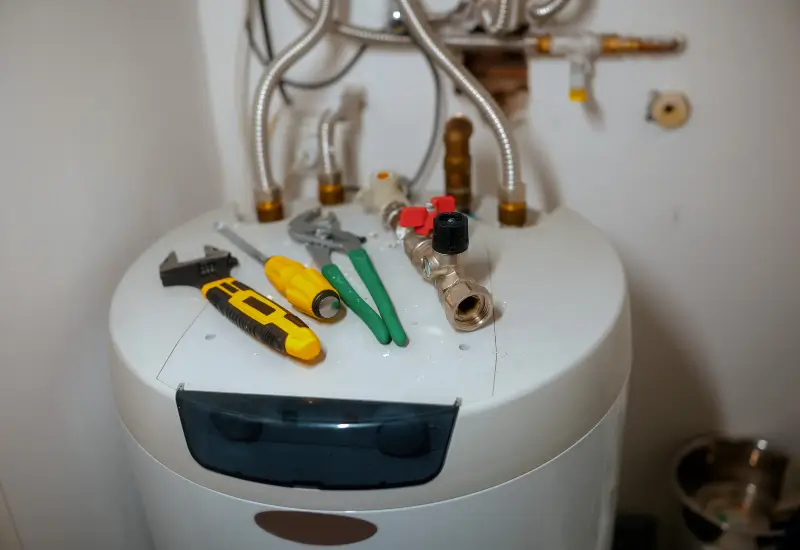
What Causes Water Heater Popping Sounds?
The primary cause of most water heater popping sounds is sediment buildup. Atlanta is known for having moderately hard water, which contains minerals like calcium and magnesium. Over time, these minerals settle at the bottom of your water heater tank. When the burner or heating element at the bottom of the tank activates, it heats the water trapped beneath the sediment layer. The water turns to steam, creating bubbles that try to escape through the mineral deposits. As the steam bubbles burst their way through the sediment, they create the distinct “popping” or “knocking” noise you hear.
Think of it like boiling a pot of water on the stove with a layer of sand at the bottom. Heat has to fight its way through the sand, causing noise and turbulence. The more sediment that has accumulated in your tank, the louder and more frequent the popping sounds will become. While this is the most common cause, other, less frequent issues, such as a partially closed water valve or a problem with the heating element, can also cause noise.
The Dangers of a Popping Water Heater
While the popping sound itself isn’t immediately dangerous, it can indicate underlying problems that can have serious consequences. Letting sediment build up in your water heater can lead to several issues, including:
- Reduced Efficiency and Higher Bills – The sediment layer forces your water heater to work harder and run longer to heat the same amount of water, resulting in a significant increase in energy consumption and utility bills.
- Damage to the Tank – When the water heater constantly overheats at the bottom of the tank, it puts stress on the tank’s metal lining. This can cause the lining to become brittle, crack, and eventually leak.
- Pressure Buildup – In rare, extreme cases, excessive sediment can block the pressure relief valve, a critical safety feature. If this valve can’t release excess pressure, the tank could rupture.
Steps for Fixing Water Heater Popping Sounds
Fixing a popping water heater involves flushing the tank to remove the sediment buildup. This is a task that many handy homeowners can perform themselves. Before you begin, make sure you have a garden hose, a bucket, and some protective gloves. Follow these steps carefully:
- Turn Off the Power and Water Supply – For an electric water heater, turn off the breaker at your electrical panel. For a gas water heater, turn the thermostat to the pilot setting. Then locate the cold-water shut-off valve, which is usually a handle or lever on the pipe entering the top of the water heater, and turn it off.
- Connect a Garden Hose – Attach one end of a garden hose to the drain valve located at the bottom of the water heater tank. Place the other end of the hose in a floor drain, a large bucket, or run it outside to an area that can handle a large volume of hot water.
- Open the Drain Valve and a Hot Water Faucet – Slowly open the drain valve on the tank. To allow air to enter the tank and help the water flow out, go to a sink inside your house and turn on a hot water faucet. You should hear water begin to flow through the hose.
- Flush the Tank – Let the water drain completely. Once the tank is empty, briefly turn the cold water supply on and off a few times. This will stir up any remaining sediment at the bottom and help flush it. Continue this until the water running through the hose is clear.
- Refill the Tank – Once the water is clear, close the drain valve and disconnect the hose. Leave the hot water faucet open at your sink. Turn the cold water supply valve back on to begin refilling the tank. Keeping the faucet open allows air to escape as the tank fills.
- Restore Power – When water flows steadily from the open hot water faucet, the tank is full. You can now turn off the faucet. Go back to your water heater and restore power by turning the breaker back on or setting the thermostat back to your desired temperature.
Tips for Preventing Water Heater Popping
Regular maintenance is crucial for preventing sediment buildup and ensuring your water heater operates efficiently. Here are some tips for preventing water heater popping:
- Flush Your Water Heater Annually – Make it a yearly routine. This simple task is the most effective way to prevent sediment from accumulating and causing problems.
- Install a Water Softener– Since Atlanta has moderately hard water, installing a whole-house water softener is an excellent long-term solution. A water softener removes minerals like calcium and magnesium from the water before they enter your water heater.
- Check the Anode Rod – The anode rod is a metal rod inside your tank that helps prevent corrosion. It sacrifices itself to protect the tank lining. A depleted anode rod can accelerate sediment buildup. Have a professional check it every two to three years and replace it if necessary.
When to Call a Professional
Fixing water heater popping sounds is often a straightforward DIY job. However, there are times when it’s better to call a professional plumber. If you’ve flushed the tank and the popping noise persists, it could mean the sediment has hardened and requires professional cleaning. Additionally, if you’re not comfortable performing the flushing procedure or if you notice any signs of a leak or significant corrosion, it’s safest to contact the experts at Quick Action Plumbers. Our licensed plumbers have the tools and expertise to accurately diagnose the problem and ensure your water heater operates safely and efficiently.