Have you ever turned on your shower only to get a weak trickle instead of a strong spray? Or have you had to wait for several minutes while your washing machine slowly fills? Low household water pressure can make simple tasks frustrating and time-consuming. You may need help from Quick Action Plumbers. We know how to improve water pressure in your house in Mableton, Cobb County, or Metro Atlanta, GA. Our home water pressure guide outlines the causes of low water pressure, how to test water pressure at your home, and when to call us for professional assistance.
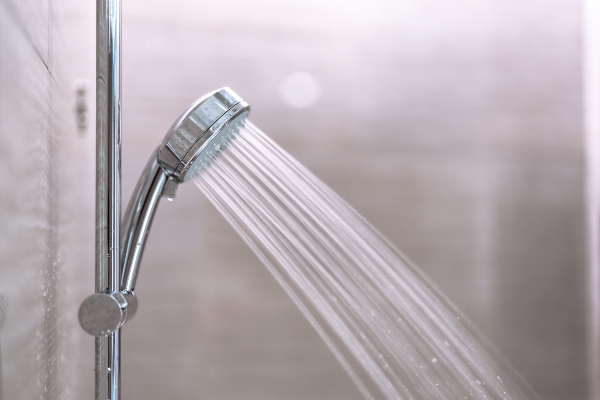
Why Is My Water Pressure Low?
Low water pressure rarely happens without a reason. Several common issues can reduce the flow of water in your home:
- Clogged Pipes – Over time, mineral deposits build up inside your pipes, narrowing the space through which water can flow. This problem is especially common in older homes with galvanized steel pipes.
- Leaking Pipes– Even small leaks waste water before it reaches your faucets and fixtures. Sometimes, these leaks are hidden behind walls or under floors, making them hard to spot.
- Faulty Pressure Regulators – These devices control the water pressure coming into your home from the main line. When they malfunction, they can cause a sudden pressure drop throughout your house.
- Municipal Supply Issues – Water main breaks, construction work, or high demand during peak hours can all temporarily reduce pressure.
- Partially Closed Shut-Off Valves – Check the main water valve near your water meter and any fixture-specific valves to make sure they’re fully open.
What Is the Normal Water Pressure for a House?
Most homes function best with water pressure between 45 and 60 psi (pounds per square inch). This range provides enough force for showers, dishwashers, and washing machines to work properly without putting excessive strain on your plumbing.
Pressure below 40 psi feels weak and makes daily tasks take longer. You’ll notice it most in upstairs bathrooms or when multiple fixtures run at once.
Pressure above 80 psi can damage pipes, fixtures, and appliances. High pressure puts stress on connections and seals, leading to leaks and premature wear. Many local building codes require pressure regulators when the incoming pressure exceeds 80 psi.
The ideal pressure for your home depends on its size and plumbing layout, but 50-55 psi works well for most residential properties.
How to Test Water Pressure at Home
Testing your water pressure takes just a few minutes and requires one simple tool: a pressure gauge. You can find these at most hardware stores for under $15. Follow these steps to test water pressure at home:
- Choose Your Testing Location – An outdoor hose bib, or faucet, provides the most accurate reading because it’s closest to your main water line.
- Attach the Pressure Gauge – Screw the gauge onto the hose bib just like you would attach a garden hose. Ensure it’s tight enough to prevent leaks.
- Turn Off All Water – Walk through your house and make sure no faucets, appliances, or toilets are running. This ensures you’re measuring static pressure.
- Open the Valve Completely – Turn the outdoor faucet to its full open position.
- Read the Gauge – The needle will settle on a number indicating your current water pressure in psi.
- Test at Different Times – For the most complete picture, test in the morning and evening. Pressure often varies based on neighborhood demand.
How to Improve Water Pressure in My House
Once you know your pressure is low, you can take steps to fix it. Start with these straightforward solutions:
- Clean Your Aerators – Unscrew the small screens at the ends of your faucets and rinse them to remove any sediment or mineral buildup. This simple step often restores good flow to individual fixtures.
- Check for Leaks – Walk through your home looking for water stains, damp spots, or the sound of running water when everything is turned off. Fixing leaks can immediately improve pressure.
- Replace Old Fixtures – Corroded or outdated faucets and showerheads restrict water flow. Modern fixtures are designed for better efficiency and performance.
- Flush Your Water Heater – Sediment buildup in your water heater tank can reduce hot water pressure. Draining and flushing the tank once a year helps maintain good flow.
- Install a Pressure Booster – If your municipal supply consistently delivers low pressure, a booster pump can raise it to comfortable levels throughout your home.
How to Adjust My Water Pressure Regulator
If your home has a pressure regulator, adjusting it might solve your low pressure problem. The regulator is typically located near your main water shut-off valve, often in the basement or garage. Here’s how to adjust a water pressure regulator:
- Locate the Adjustment Screw – Look for a screw or bolt on top of the bell-shaped regulator.
- Test Your Current Pressure – Use a pressure gauge to establish your baseline reading.
- Make Small Adjustments – Turn the screw clockwise to increase pressure or counterclockwise to decrease it. Make quarter-turn adjustments and test after each change.
- Retest the Pressure – Check the gauge after each adjustment until you reach your target range of 50-55 psi.
- Monitor Over Several Days – Ensure the adjustment holds and doesn’t cause any new problems. If adjusting the screw doesn’t improve your pressure, the regulator may need to be replaced.
When to Call a Plumber
Some water pressure problems require professional expertise. Attempting complicated repairs without proper knowledge can lead to water damage, code violations, or voided warranties on your plumbing system. You should call Quick Action Plumbers if you experience:
- Sudden pressure drops throughout your house
- Pressure that won’t adjust even after trying the steps above
- Visible pipe damage or extensive corrosion
- Suspected main line issues that might affect your connection to the municipal supply
- Complex installations like whole-house pressure boosters or new regulators
Contact Us for Water Pressure Adjustments Today
Our licensed plumbers bring years of experience to every water pressure issue in Metro Atlanta. We can quickly diagnose the root cause of your pressure problems and provide lasting solutions, so contact us today.