Few household disasters induce panic quite like a toilet bowl that refuses to drain—or worse, starts to rise. It’s a moment of dread that usually happens at the most inconvenient times. Whether you’re rushing to get the kids to school in Mableton or hosting guests for dinner in Atlanta, a clogged toilet is a problem that demands immediate attention. While the instinct might be to call a professional right away, many clogs can be resolved with a few simple tools and a bit of know-how. However, knowing when to DIY and when to call in the experts is crucial to preventing water damage or more severe plumbing issues. In this guide, we’ll walk you through the common causes of blockages, the correct way to use a plunger, and several methods, such as toilet snakes, for unclogging a toilet without a plunger.
Why Is My Toilet Clogged?
Before you start splashing around with tools, it helps to understand what went wrong. Toilets are designed to handle human waste and toilet paper—nothing else. Yet, plumbing systems are often treated like trash cans, leading to frustrating backups. Understanding the root cause can help you choose the right solution and prevent future issues. Here are the most common reasons toilets in Cobb County and Metro Atlanta get backed up:
- Foreign Objects: Toys, toothbrushes, and combs often fall in accidentally. If flushed, they can lodge in the trapway.
- “Flushable” Wipes: Despite the packaging claims, most wet wipes do not disintegrate like toilet paper. They clump together, forming massive blockages.
- Feminine Hygiene Products: These are designed to absorb water and expand, which is the exact opposite of what you want happening in your pipes.
- Excessive Toilet Paper: Sometimes, simply using too much paper in a single flush can overwhelm the drain.
- Hard Water Build-Up: In some areas, mineral deposits can narrow the flow path, increasing the likelihood of clogs.
- Tree Roots: For older homes, tree roots can infiltrate the sewer line outside, causing backups inside the house.
Mastering the Plunger
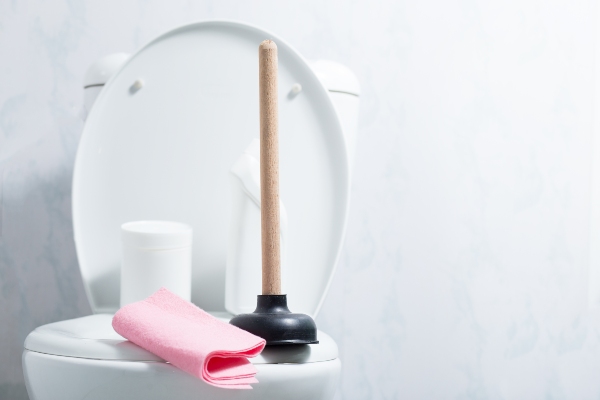
The plunger is the first line of defense for any homeowner. However, many people misuse them, leading to a lot of splashing and very little unclogging. To be effective, you need the right tool and the proper technique. First, ensure you have a flange plunger (the one with the extra rubber flap extending from the bottom) rather than a simple cup plunger (which is better for sinks). The flange fits into the toilet drain to create a tighter seal. Follow these steps to plunge like a pro:
- Protect the Area: Lay down some old towels around the base of the toilet to catch any splashback.
- Check the Water Level: If the bowl is full to the brim, bail some water out into a bucket. If it’s empty, add enough water to cover the plunger cup.
- Get a Good Seal: Insert the flange into the drain opening. The rubber needs to make contact around the hole.
- Plunge Gently at First: The first push releases air trapped in the plunger. If you push too hard, you’ll blow water all over yourself.
- Use Vigorous Thrusts: After the initial push, plunge forcefully in and out, maintaining the seal. You are using the water pressure to push and pull the clog loose.
- Check the Drain: After 15 to 20 strokes, break the seal. If the water drains, you’ve succeeded. Flush the toilet to ensure everything is clear.
How To Unclog a Toilet Without a Plunger
Sometimes you don’t have a plunger handy, or it simply isn’t doing the trick. Don’t panic. There are several alternative methods you can try using items you likely already have in your home. These techniques rely on heat, lubrication, or mechanical force to break up the blockage.
The Plumbing Snake (or Drain Auger)
If the plunger failed, the clog is likely deeper in the trapway or the drain pipe. This is where a toilet snake (also known as a closet auger) comes in handy. It’s a long, flexible metal coil that can reach where plungers can’t. When discussing a toilet auger vs a snake, the terms are often used interchangeably, but a toilet auger has a plastic guard to protect the porcelain bowl from scratches. A standard drain snake is usually for sinks and might damage your toilet. Here is how to use it:
- Insert the Head: Insert the auger into the drain hole.
- Crank the Handle: Turn the handle clockwise while pushing the cable down. You will feel resistance when you hit the clog.
- Break It Up: Keep cranking to screw the tip into the obstruction. Push and pull gently to break it apart or hook it so you can pull it out.
- Retract: Pull the cable back up. If you brought the clog up with it, dispose of it in the trash.
- Flush: Once the resistance is gone, flush the toilet to clear the line.
Hot Water and Dish Soap
This method works well for organic clogs, such as too much toilet paper or waste. It acts as a lubricant, helping debris slide through the pipe.
- Heat the Water: Heat a gallon of water on the stove. It should be hot, but not boiling. Boiling water can crack the porcelain of your toilet bowl, creating a much more expensive problem.
- Add Soap: Squirt a generous amount of liquid dish soap (about a quarter cup) into the toilet bowl.
- Pour the Water: Pour the hot water into the bowl from waist height. The force of the pouring water combined with the heat helps dislodge the clog.
- Wait: Let the mixture sit for about 15 to 20 minutes.
- Flush: See if the water drains. If it’s moving but slow, repeat the process.
DIY Drain Cleaner: Baking Soda and Vinegar
This classic science fair experiment is also a great way to clear minor plumbing issues without harsh chemicals.
- Add Baking Soda: Pour one cup of baking soda into the toilet bowl.
- Add Vinegar: Slowly pour two cups of white vinegar into the bowl.
- Watch the Fizz: The mixture will fizz and bubble aggressively. This chemical reaction helps break down organic material.
- Let it Sit: Allow the mixture to work for at least 30 minutes, or overnight.
- Flush: Flush the toilet to see if the clog has cleared.
Prevention: Keeping Your Pipes Clear
The best way to deal with a clogged toilet is to avoid having one in the first place. A few changes in household habits can save you time, money, and the hassle of grabbing the plunger. Educating your family members, especially children, is key to maintaining a healthy plumbing system.
- The “Three Ps” Rule: Only flush Pee, Poop, and (Toilet) Paper. Everything else goes in the trash.
- Limit Toilet Paper: If you need to use a lot of paper, consider flushing twice rather than risking one massive bundle.
- Address Slow Drains Early: If your toilet drains more slowly than usual, don’t wait for a complete blockage. Use a plunger or hot water to clear the partial clog immediately.
- Keep the Lid Down: This prevents accidental drops of combs, phones, or toys from bathroom shelves.
- Regular Inspections: If you live in an older home in Metro Atlanta, have a professional inspect your lines for tree roots every few years.
When to Call Quick Action Plumbers
While DIY methods are great for minor issues, some clogs are symptoms of a bigger problem. If you’ve tried plunging, snaking, and the soap method with no luck, or if you notice water backing up into your shower when you flush, you may have a main sewer line blockage. At Quick Action Plumbers, we serve Mableton, Cobb County, and the entire Metro Atlanta area. We have the heavy-duty equipment and expertise to handle stubborn clogs without damaging your home. Don’t let a bathroom issue ruin your day—sometimes the smartest tool you have is your phone. Contact us today for questions.