Water Softener Systems
Passionate. Professional. Proficient.Water Softeners in Mableton, Cobb County, and Metro Atlanta
Request Fast Service
Water Softener vs. Water Filter
Identifying and Addressing Hard Water Challenges
Recognizing the signs of hard water is the first step toward protecting your property's infrastructure and improving your quality of life. Our team specializes in diagnosing hard water issues and implementing high-performance water softening systems tailored to eliminate these frustrations and restore your home's water quality. Some of the most common signs you need a water softener include:
- Water Spots – High concentrations of calcium and magnesium often manifest as persistent white spotting on glassware and fixtures, or as stubborn limescale buildup in sinks and showers.
- Limescale – Mineral deposits can accumulate within your plumbing and water-based appliances, leading to restricted water pressure and significantly reduced equipment efficiency.
- Appliance Issues – Hard water can negatively impact personal wellness by stripping natural moisture from your hair, skin, and nails.
- Reduced Water Pressure – You may notice lighter water pressure due to a buildup that reduces water flow through the pipes.
- Hair, Skin, and Nail Problems – Dissolved minerals can stick to your skin, nails, and hair, blocking your body's natural moisture.
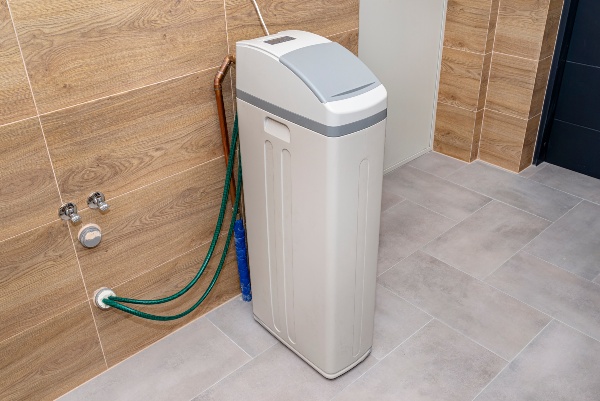
How Does a Water Softener Work?
Understanding how a water softener works involves looking at the ion-exchange process. Inside the mineral tank, resin beads coated with sodium ions trap calcium and magnesium as water passes through, replacing the hard minerals with sodium. This prevents the crusty white buildup commonly seen on faucets.
For those seeking even higher purity, the debate often turns to reverse osmosis vs. water softener. While a softener addresses mineral hardness throughout the house, a reverse osmosis system provides point-of-use purification by forcing water through a semi-permeable membrane to remove nearly all dissolved solids. Often, these systems are used in tandem to deliver the highest-quality water possible.
What Size Water Softener Do I Need?
How Long Do Water Softeners Last?
Benefits of Water Softeners
Implementing a professional-grade water softening system provides several immediate and long-term advantages for your property. Some of the most significant benefits of installing a water softening system include:
- Extended Appliance Lifespan – By preventing scale buildup, your water-using appliances, including water heaters, dishwashers, and washing machines, operate at peak efficiency and require fewer repairs.
- Reduced Energy Costs – Systems free of mineral deposits heat water more rapidly, significantly lowering your monthly utility expenditures.
- Enhanced Cleaning Efficiency – Soft water interacts more effectively with soaps and detergents, allowing you to achieve a superior clean with up to 50% less product.
- Improved Skin and Hair Health – The removal of harsh minerals prevents the drying effects of "hard water film," leaving skin feeling smoother and hair more manageable.
- Protection for Plumbing Infrastructure – Eliminating calcium and magnesium deposits prevents pipe corrosion and preserves the integrity of your entire plumbing network.